Strait of Hormuz Crisis: Market Impact
Strait of Hormuz Crisis: US Naval Blockade Begins as Peace Talks Collapse
By the Achiever Financials Ltd Analysis Team April 13, 2026
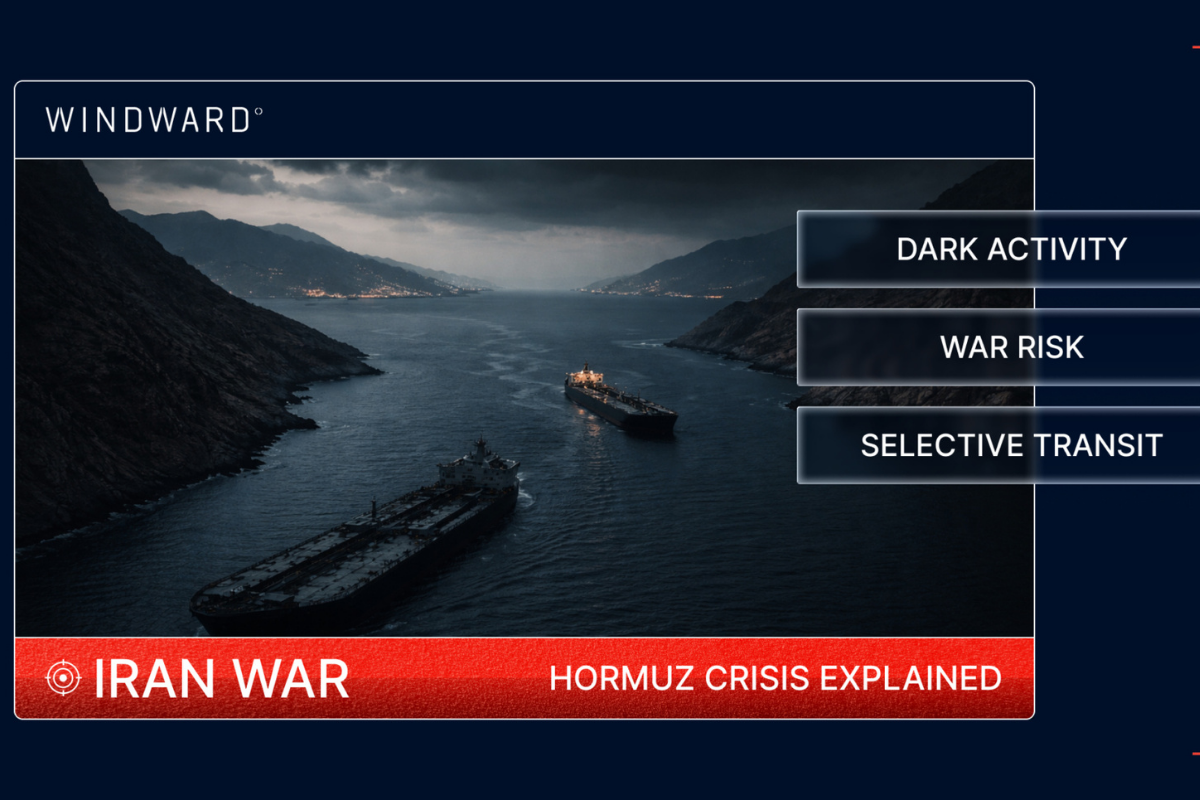
The Strait of Hormuz, the vital chokepoint for global energy trade connecting the Persian Gulf to the Gulf of Oman, remains at the center of escalating tensions. As of Monday, April 13, 2026, the United States has initiated a naval blockade targeting maritime traffic linked to Iranian ports and coastal areas, following the collapse of weekend peace negotiations with Iran. This development intensifies the ongoing 2026 Iran conflict and has triggered significant volatility in energy markets.
Current Geopolitical Update
Tensions reached a boiling point over the weekend. After more than 21 hours of negotiations in Islamabad between senior U.S. and Iranian officials, no agreement was reached. President Donald Trump responded swiftly via Truth Social, ordering the U.S. Navy to begin blockading “any and all ships trying to enter, or leave, the Strait of Hormuz,” effective 10 a.m. ET (2 p.m. GMT / 6 p.m. Dubai time) today. U.S. Central Command (CENTCOM) confirmed the operation will target all maritime traffic entering or exiting Iranian ports and coastal areas.
The blockade aims to counter Iran’s control over the waterway, which Tehran has effectively choked off since early March in retaliation for U.S.-Israeli strikes that began the war on February 28. Iran had declared the strait closed to vessels linked to the U.S., Israel, and their allies, with limited “permission-based” transits coordinated via Iranian authorities. Shipping traffic had already plummeted to under 10% of normal volumes (roughly 7–12 ships per day versus 140 pre-crisis), leaving hundreds of tankers stranded in the Gulf.
Prior to today’s announcement:
- A fragile two-week ceasefire was announced around April 7–8, conditional on safe passage through the strait.
- Limited traffic resumed briefly (mostly Iran-linked vessels), but flows remained minimal.
- U.S. warships transited the strait on April 11 as part of mine-clearing preparations.
Iran has vowed a “firm response” to any perceived breach, while global powers including China have called for restraint. The blockade risks direct naval confrontation, further complicating an already volatile region.
Why the Strait of Hormuz Matters
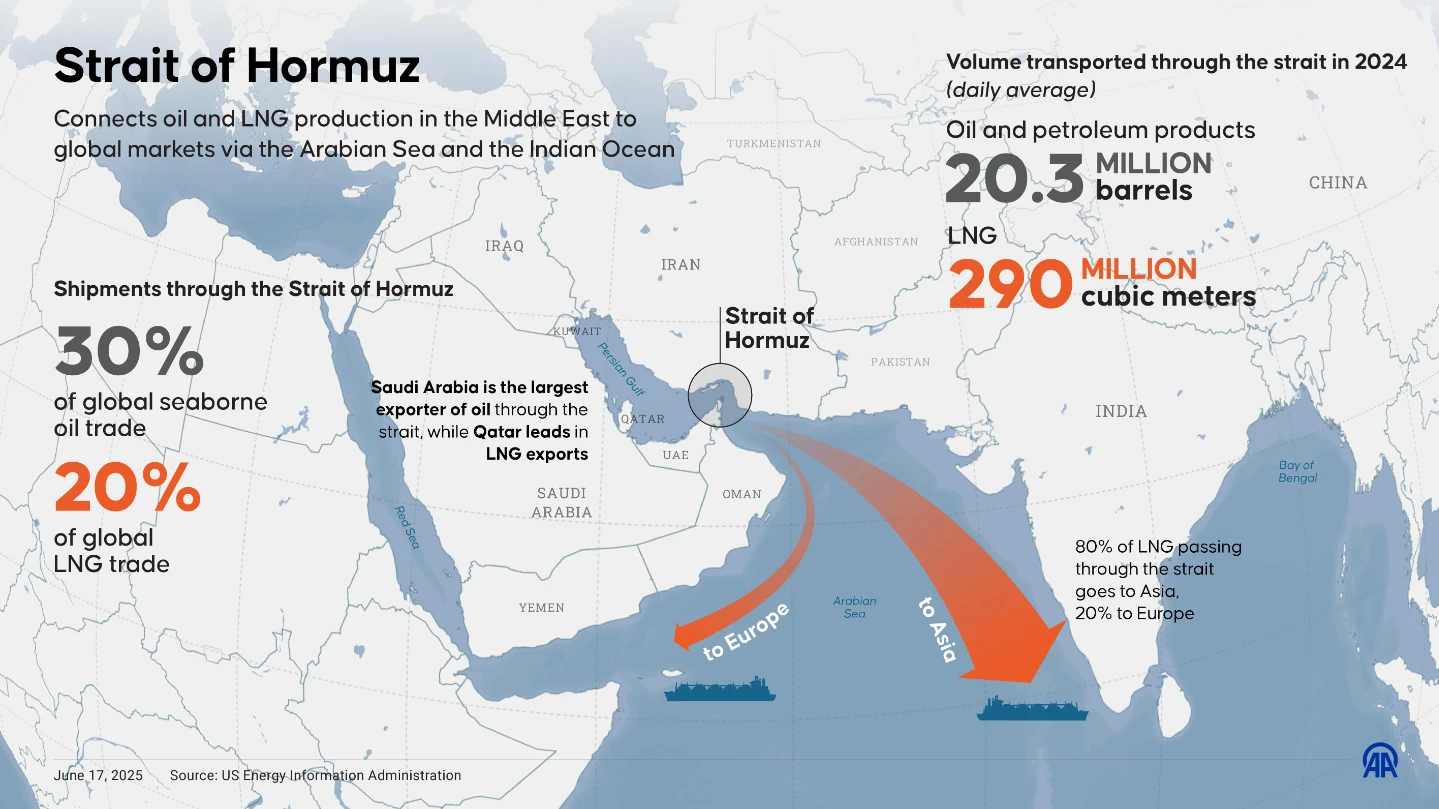
The strait handles approximately 20% of global seaborne oil trade and a significant share of liquefied natural gas (LNG) exports, primarily from Qatar, Saudi Arabia, Iraq, UAE, and Iran itself. Pre-war daily flows averaged 15–21 million barrels per day (mb/d) of crude and products. The near-total disruption since March has stranded Gulf exports, creating the most severe supply shock on record.
Bypass pipelines (e.g., Saudi East-West and UAE routes) offer only partial relief of 4–7 mb/d, far short of full compensation. Alternative routes around Africa add weeks and massive costs to shipments.
Market Impact Analysis
The Hormuz crisis has already reshaped global energy and financial markets. Here’s a breakdown of the key effects as of April 13, 2026:
-
Oil Prices: Elevated and Volatile Brent crude and WTI have experienced extreme swings. Early war spikes pushed Brent above $120/bbl amid the initial closure. Prices eased on ceasefire hopes but remain elevated near or above $100/bbl, with fresh surges reported today on the blockade news. Analysts note a persistent risk premium of $15–40/bbl. Long-dated contracts (2026 delivery) are viewed as undervalued, reflecting expectations of prolonged tightness and post-crisis restocking demand.
Implication for investors: Energy futures, ETFs (e.g., USO, BNO), and upstream producers are beneficiaries. However, sustained prices above $100 risk demand destruction (estimated 5–10 mb/d globally) and policy interventions like SPR releases or rationing.
-
Broader Energy Sector
- LNG and Gas Markets: Qatar’s exports (35% of global seaborne LNG via Hormuz) faced force majeure declarations. European and Asian buyers face higher spot prices and supply uncertainty.
- Refined Products: Fuel oil, naphtha, and petrochemical feedstocks are particularly tight in Asia, with shortages reported in multiple countries.
- Shipping and Insurance: War-risk premiums have skyrocketed. Major carriers (Maersk, Hapag-Lloyd) suspended transits earlier; rerouting via the Cape of Good Hope adds 10–14 days and millions in costs per voyage.
-
Global Macro Effects
- Inflation and Growth: The shock has already cut global GDP forecasts. Higher energy costs feed into transportation, manufacturing, and food prices. Eurozone and Asian economies are most exposed.
- Currencies and Equities: Oil-importing currencies (e.g., INR, TRY) weaken; energy-exporting nations (Gulf states, Russia) benefit. Broader stock markets face pressure from stagflation risks, though energy and defense stocks outperform.
- Asia Impact: China, India, Japan, and South Korea—reliant on Gulf crude—face rationing risks and petrochemical disruptions. Goldman Sachs has warned of potential outright shortages in naphtha/LPG.
-
Sector Winners and Losers
Sector Impact Key Plays Oil & Gas Majors Strongly Positive Exxon, Chevron, Aramco listings Alternative Energy Mixed (higher fossil prices) Renewables gain long-term appeal Shipping & Logistics Negative (disruptions/costs) Dry bulk/oil tanker operators Airlines/Auto Negative (fuel costs) Cost pass-through challenges Defense/Aerospace Positive Lockheed, Raytheon
Outlook and Risks
The U.S. blockade adds a new layer of uncertainty. While intended to force Iran to reopen the strait fully (“all in, all out”), it could prolong the standoff and delay any resolution. Markets will watch real-time shipping data (AIS, Lloyd’s List) and U.S. Navy movements closely today and tomorrow.
Bullish oil scenario: Prolonged blockade → prices test $120–$160/bbl range, accelerating demand destruction but boosting energy equities.
Bearish scenario: Swift diplomatic breakthrough or effective bypasses → prices retreat toward $80–$90/bbl as inventories rebuild.
Achiever Financials View: This remains a high-conviction risk event for portfolios. We recommend overweight energy exposure with hedges against broader volatility (VIX, gold). Monitor U.S. SPR policy, OPEC+ responses, and Asian demand data for signals. The crisis underscores the fragility of global energy chokepoints—diversification into non-Gulf supply chains and renewables is now a strategic imperative.
Disclaimer: This analysis is for informational purposes only and does not constitute investment advice. Past performance is not indicative of future results.